

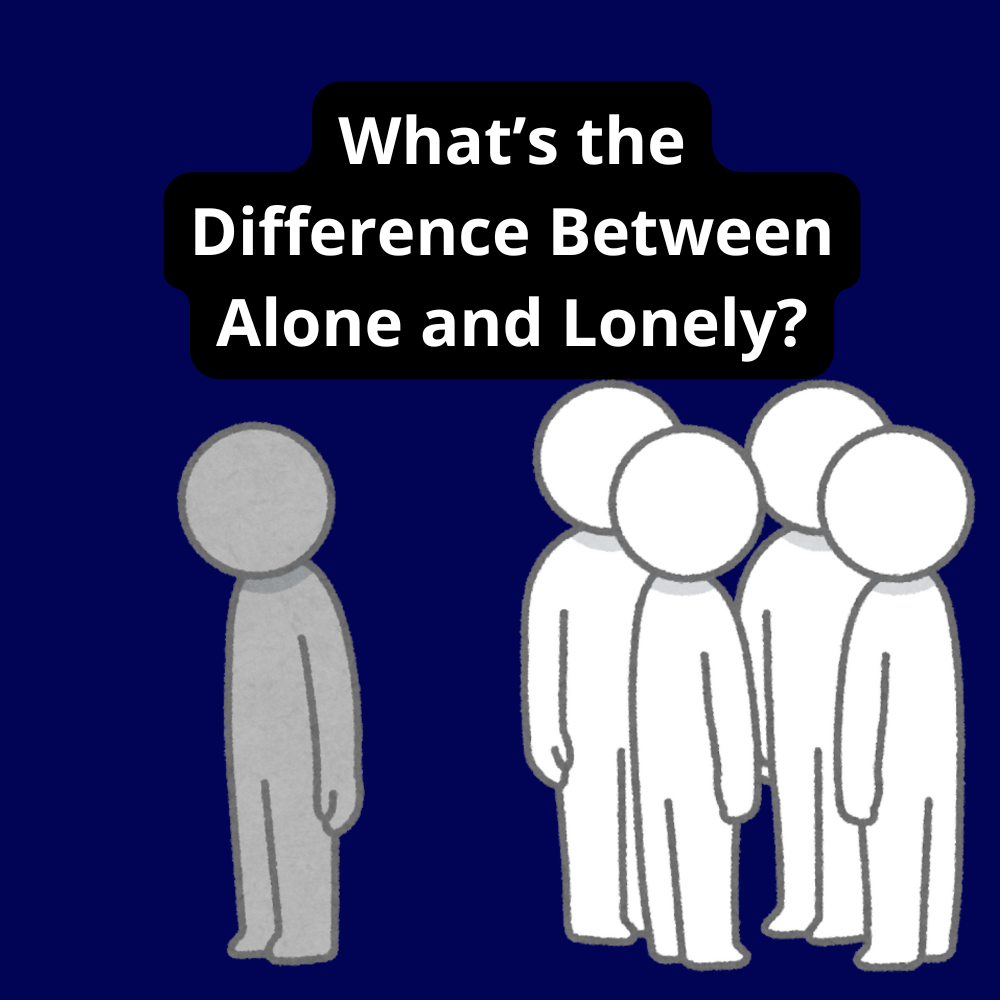
What’s the Difference Between Alone and Lonely?
In English, alone and lonely are often confused because they both relate to being by yourself. However, these two words express very different ideas. One describes a physical situation, while the other describes an emotional state.
Understanding this difference is important, because using the wrong word can completely change the meaning of a sentence.
When to Use “Alone”
We use alone to talk about a physical condition. It simply means that someone is not with other people. The word itself does not express feelings — it is neutral.
We say alone when the focus is on:
-
being by yourself
-
physical presence
-
absence of other people
Examples
She was alone at home all afternoon.
I prefer to study alone.
He walked alone through the park.
In these sentences, alone only describes the situation. It does not tell us whether the person feels good or bad about it.
Important note:
-
Being alone can be positive, negative, or neutral.
-
Many people choose to be alone.
When to Use “Lonely”
We use lonely to describe an emotional feeling. It means feeling sad, disconnected, or unhappy because of a lack of social connection.
We say lonely when the focus is on:
-
emotions
-
sadness
-
feeling isolated
Examples
She feels lonely in the new city.
He was lonely after moving away from his friends.
Working from home can feel lonely sometimes.
Here, lonely clearly expresses a negative emotional state.
Important note:
-
You can feel lonely even when you are not alone.
-
Loneliness is about connection, not physical presence.
Alone vs Lonely in Simple Terms
The difference becomes very clear when we compare them.
We use alone to describe being by yourself.
We use lonely to describe feeling sad about being alone.
Alone = situation
Lonely = feeling
You Can Be Alone Without Being Lonely
This is a very common and important idea in English.
For example:
-
She enjoys spending time alone.
-
He likes being alone to think.
In these cases, being alone is a choice, and it does not involve sadness.
You Can Be Lonely Without Being Alone
This is also very common.
For example:
-
He feels lonely in a crowded city.
-
She felt lonely at the party.
Even though other people are present, the person feels emotionally disconnected.
Common ESL Mistakes to Avoid
❌ I live alone, so I am lonely.
✔️ I live alone, but I am not lonely.
❌ She was lonely in the room.
✔️ She was alone in the room.
The mistake happens when physical situation and emotion are mixed up.
A simple guide helps:
-
physical state → alone
-
emotional state → lonely
Typical Collocations
We often say:
-
be alone
-
stay alone
-
live alone
We also often say:
-
feel lonely
-
get lonely
-
a lonely place
These combinations sound natural because they follow how the words are actually used.
Quick Recap
Alone:
-
physical situation
-
neutral meaning
-
describes presence or absence of people
Lonely:
-
emotional feeling
-
negative meaning
-
describes sadness or isolation
Final Summary
Although alone and lonely are related, they are not interchangeable.
Frequently Asked Questions: Alone vs Lonely

What does lonely mean when someone is alone?
Lonely describes an emotional state. A person can be alone and still feel connected, but lonely means feeling sad or emotionally isolated.
What’s the difference between lonely and being alone?
Being alone refers to a physical situation, while lonely refers to an emotional feeling.
Is it possible to be alone but not lonely?
Yes. Many people enjoy being alone and do not feel lonely at all.
Am I lonely or just alone?
If you feel emotionally disconnected or sad, you may feel lonely. If you are simply by yourself without negative feelings, you are just alone.
Does lonely always mean sad?
In most contexts, yes. Lonely usually has a negative emotional meaning.
Can you feel lonely even with other people around?
Yes. Loneliness is about emotional connection, not physical presence.
Is alone a negative word in English?
No. Alone is neutral and often positive, depending on context.
How do you use alone in a sentence?
Alone describes being without other people, for example: I stayed at home alone.
How do you use lonely in a sentence?
Lonely describes feelings, for example: She felt lonely after moving to a new city.
Can alone and lonely ever be interchangeable?
No. They describe different ideas and are not used the same way.
Why do learners confuse alone and lonely?
Because in many languages, one word covers both physical and emotional states.
