


Verb + -ing or Verb + to: How to Use Them Correctly in English
One of the most confusing grammar topics for English learners is knowing when to use a verb followed by -ing and when to use to + verb. At first, both structures may look similar. However, depending on the verb, the meaning can change completely.
For this reason, understanding these patterns is essential if you want to speak English naturally and accurately.
In this guide, you will learn the main rules, common verb groups, and real-life examples that make everything much clearer.
Verbs That Are Followed by -ing Only
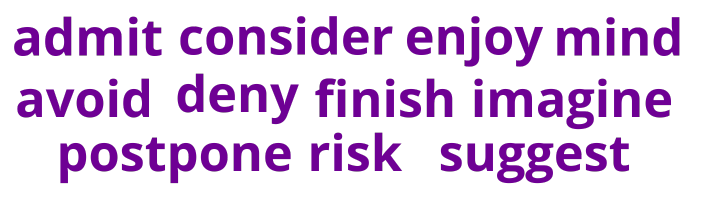
To begin with, some verbs are always followed by -ing, not to. These verbs usually describe actions we enjoy, avoid, finish, or consider.
Common examples include:

Examples in context
I enjoy learning new languages.
She avoided talking about the problem.
They finished working late last night.
In these cases, using to would be incorrect. Therefore, memorizing this group is very important.
Verbs That Are Followed by to + Verb
On the other hand, many verbs are naturally followed by to + verb. These verbs often express decisions, plans, intentions, or future actions.
Some common verbs in this group are:

Examples in context
I decided to study English seriously.
She hopes to travel abroad next year.
They refused to accept the offer.
As you can see, these verbs focus more on intention than on the action itself.
Verbs That Change Meaning: -ing vs to
Now comes the most important part. Some verbs can be followed by -ing or to, but the meaning changes depending on the structure.
Remember
Remember + -ing refers to a memory of something you already did.
I remember locking the door.
This means the action happened, and now you remember it.
Remember + to refers to something you must do.
Remember to lock the door.
In this case, it is a reminder, not a memory.
Regret
Regret + -ing is used when you feel sorry about a past action.
I regret saying that.
Regret + to is often used in formal situations to introduce bad news.
We regret to inform you that your application was unsuccessful.
Go on
Go on + -ing means to continue the same action.
He went on talking even after the meeting ended.
Go on + to means to change to a new action.
She finished her degree and went on to work abroad.
Verbs With Little or No Change in Meaning
In some situations, both structures are possible with little difference in meaning. This usually happens with verbs related to starting or continuing actions.
Common examples include:
begin
start
continue
intend
bother
It started raining.
It started to rain.
Both sentences are correct and commonly used.
However, it is worth noting that we usually avoid -ing after -ing. For example, we say:
It’s starting to rain.
Not usually: It’s starting raining.
Try: Effort vs Experiment
The verb try is another excellent example of meaning change.
Try + to means making an effort.
I tried to open the door, but it was locked.
Try + -ing means experimenting to see what happens.
Try restarting the computer.
In this case, the action is a suggestion, not a struggle.
Need: Active or Passive Meaning
Finally, the verb need can be used in two different ways.
Need + to means obligation.
I need to charge my phone.
Need + -ing has a passive meaning.
My phone needs charging.
This means: My phone needs to be charged.
Like, Love, Hate, and Would Like
When talking about general preferences, both structures are possible.
I like reading before bed.
I like to read before bed.
However, there is a small difference in meaning.
Like + -ing focuses on enjoyment.
Like + to focuses on habit or choice.
On the other hand, would like, would love, and would hate are always followed by to.
I’d like to travel more.
I’d love to meet you someday.
Final Thoughts
In conclusion, choosing between verb + -ing and verb + to is not random. Instead, it depends on the main verb and, in many cases, on the meaning you want to express.
Once you understand these patterns, your English becomes clearer, more natural, and much more confident.
Most importantly, learning these structures helps you avoid common mistakes and communicate exactly what you mean.


Frequently Asked Questions (FAQ)
1. What is the difference between verb + -ing and verb + to?
The difference depends on the main verb. Some verbs are followed only by -ing, others only by to + verb, and some can use both forms with a change in meaning. Understanding this difference helps you speak more naturally and avoid common mistakes.
2. When should I use verb + -ing in English?
You should use verb + -ing after certain verbs such as enjoy, avoid, finish, consider, and suggest. It is also commonly used when talking about activities, experiences, or actions in progress.
3. When should I use verb + to?
Use to + verb after verbs like want, decide, hope, plan, and promise. This structure is usually connected to intentions, decisions, or future actions.
4. Why does the meaning change with remember doing and remember to do?
Remember doing refers to a memory of a past action.
Remember to do refers to something you must do in the future.
This difference is very common and often causes confusion for learners.
5. What is the difference between try to do and try doing?
Try to do means making an effort to do something difficult.
Try doing means experimenting to see what happens.
Both structures are correct, but the meaning is different.
6. Is there a difference between start doing and start to do?
In most cases, there is little or no difference. However, English speakers usually prefer start to when the verb is already in the -ing form, such as It’s starting to rain.
7. Can like be followed by both -ing and to?
Yes. Like + -ing focuses on enjoyment, while like + to focuses on habits or choices. Both are correct, but they express slightly different ideas.
8. Why do we say “needs cleaning” instead of “needs to be cleaned”?
Needs + -ing is a common structure in English with a passive meaning.
For example, The house needs cleaning means The house needs to be cleaned.
9. Is verb + -ing more common than verb + to?
Both forms are very common. The correct choice depends on the verb and the meaning you want to express, not on frequency alone.
10. How can I stop making mistakes with -ing and to?
The best way is to learn verbs in groups, understand meaning differences, and practice with real examples instead of memorizing isolated rules.