
Close Menu
Wilford Flunecy
    Wilford Flunecy
    Button
    • Home
    • Expressions

      Fluência em inglês não é perfeição é comunicação

      16 de December de 2025

      Balls up o que quer dizer esse Phrasal Verb?

      16 de December de 2025

      To be on the safe side: significado, uso e exemplos em inglês

      15 de December de 2025

      Take it easy: significado, uso e exemplos em inglês

      15 de December de 2025
    • Tricky English
      1. Expressions
      2. English for Travel
      3. Grammar
      4. View All

      Fluência em inglês não é perfeição é comunicação

      16 de December de 2025

      Balls up o que quer dizer esse Phrasal Verb?

      16 de December de 2025

      To be on the safe side: significado, uso e exemplos em inglês

      15 de December de 2025

      Take it easy: significado, uso e exemplos em inglês

      15 de December de 2025

      Inglês para viagem: frases essenciais para se virar do aeroporto às compras

      16 de December de 2025

      What’s the Difference Between a “Racehorse” and a “Horse Race”?

      30 de January de 2026

      Uncountable Nouns in English: How to Use Them Correctly

      29 de January de 2026

      What’s the Difference Between Wear and Use?

      25 de January de 2026

      What’s the Difference Between Injury and Wound?

      24 de January de 2026

      Past Perfect Explanation: Two Past Actions, One Earlie

      2 de January de 2026

      Why English Uses Present Perfect for States and Conditions

      1 de January de 2026

      Few, A Few, Little, and A Little: What’s the Difference in English?

      30 de December de 2025

      A, An, The or No Article? This Is Where Most Learners Get Confused

      30 de December de 2025
    • Contact
    • About me
    Wilford Flunecy
    • Home
    • Expressions
    • English for Travel
    • Tricky English
    • Contact
    • About me
    Início » What’s the Difference Between a Teacup and a Cup of Tea?
    Grammar

    What’s the Difference Between a Teacup and a Cup of Tea?

    wilfordfluencyBy wilfordfluency22 de January de 2026Updated:25 de January de 2026No Comments5 Mins Read
    Facebook Twitter Pinterest LinkedIn Tumblr WhatsApp VKontakte Email
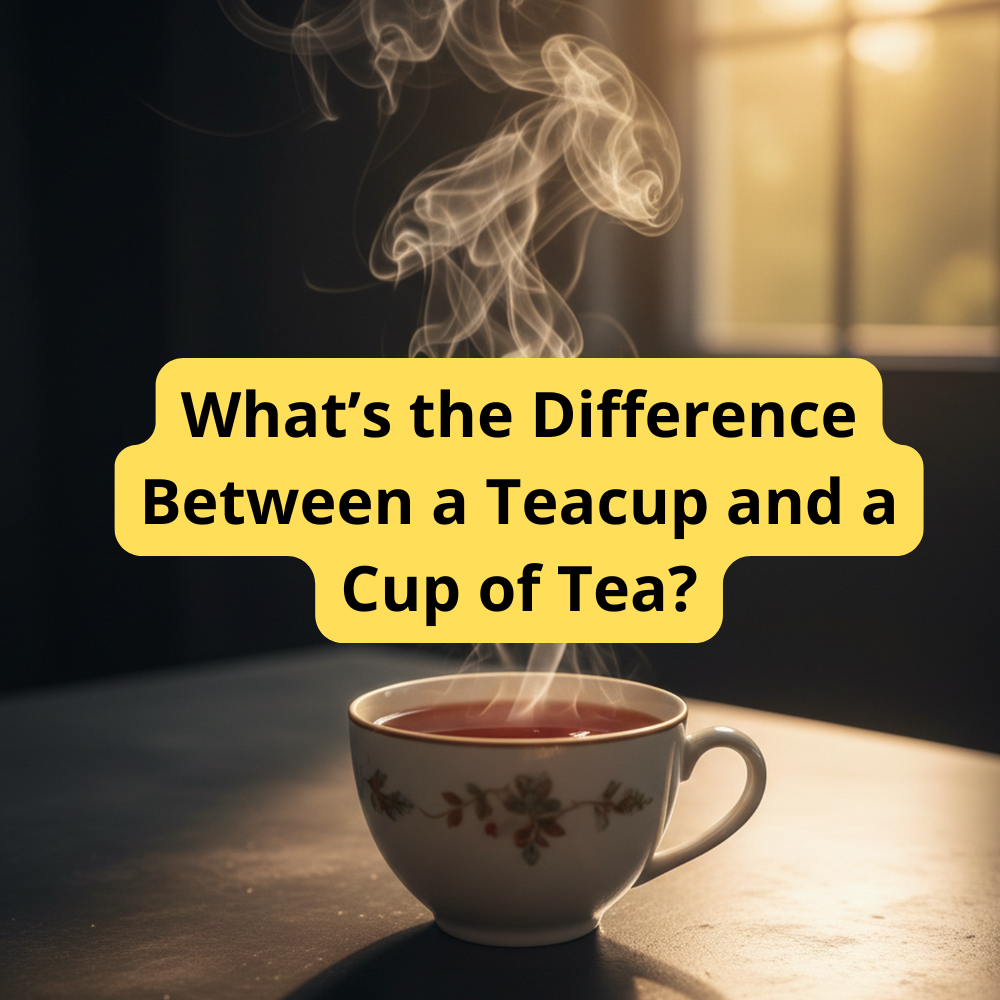
    What’s the Difference Between a Teacup and a Cup of Tea?
    Share
    Facebook Twitter LinkedIn Pinterest Email


    What’s the Difference Between a Teacup and a Cup of Tea?

    In English, meaning is often shaped by how words are grouped together, especially when objects and actions are involved. The expressions a teacup and a cup of tea illustrate this perfectly. Although both are connected to tea, they do not describe the same thing. One refers to a physical object, while the other refers to a drink. Confusing the two doesn’t just sound unnatural — it changes what you are actually talking about.

    This distinction matters because English clearly separates containers from their contents. We talk differently about an object and about what is inside that object. This pattern appears constantly in everyday situations, such as offering a drink, describing an item in a shop, or talking about something that broke. Once you understand this logic, expressions like teacup and a cup of tea become easy to use correctly.


    Why This Difference Matters in Everyday English

    In real communication, English speakers expect clarity about whether the focus is on an item or on an action involving that item. When someone mentions a teacup, the listener thinks about the cup itself — its size, material, or design. When someone mentions a cup of tea, the listener thinks about drinking tea. The grammar signals this difference immediately.

    For learners, the confusion usually comes from the shared word cup. However, English relies on structure to guide meaning. Paying attention to whether the sentence is about the container or the contents helps you avoid misunderstandings and sound more natural.


    What Is a Teacup?

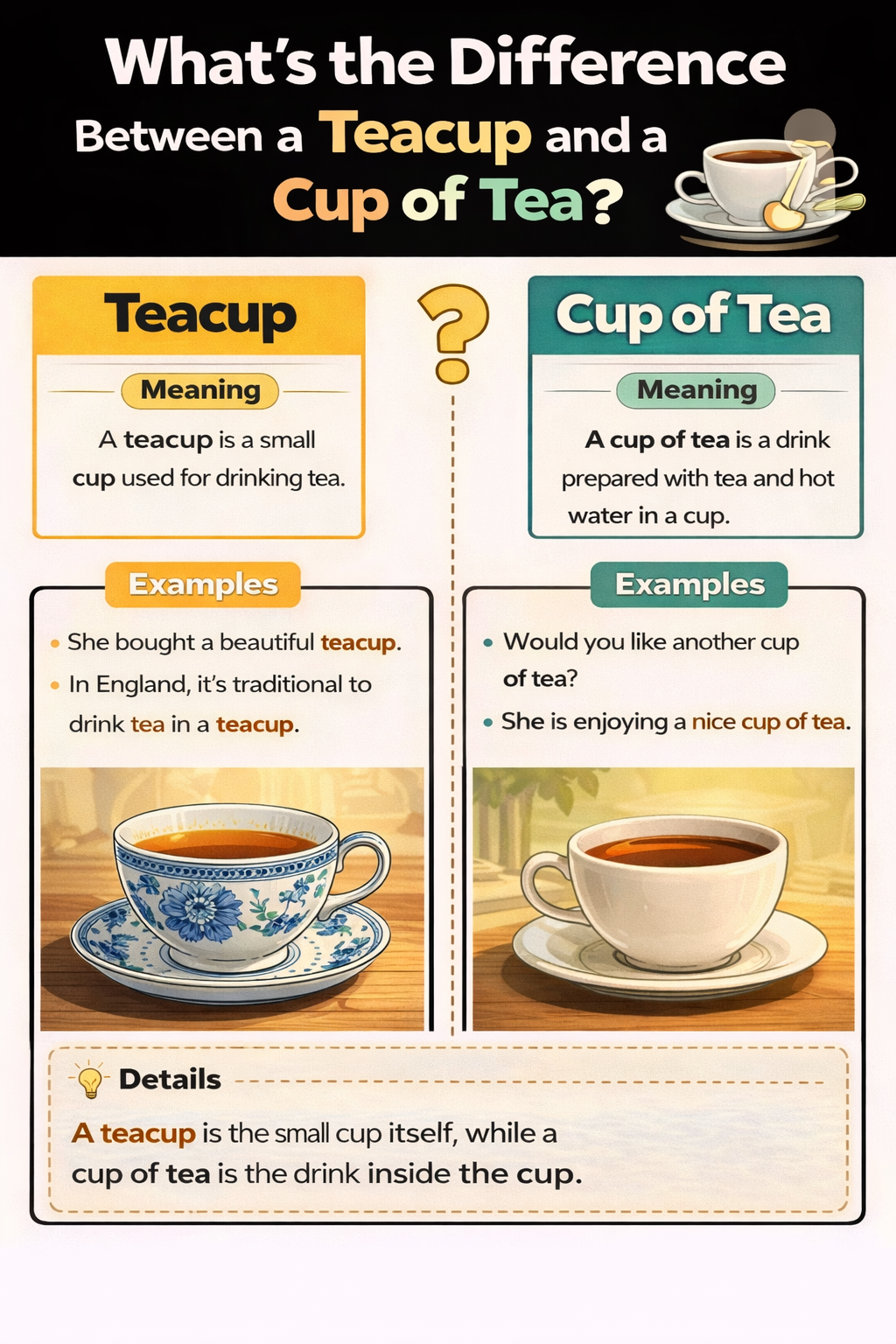
    A teacup is a noun that refers to a physical object. It is the cup itself, usually small and traditionally used for serving tea.

    We use teacup when the focus is on:

    • the object

    • its material or design

    • the cup as part of a set

    Examples

    She bought a delicate china teacup at the antique shop.
    The teacup is made of fine china.
    This teacup is part of a traditional china tea set.

    In these examples, the presence of tea is not important. A teacup can be empty. The word describes the object, not what is inside it.

    Want to explore more common English confusions?

    This article is part of our complete guide to similar English words. Read the full guide here: Common English Confusions: What’s the Difference Between Similar Words?


    What Is a Cup of Tea?

    A cup of tea refers to the drink itself, that is, a cup with tea in it. The focus here is on the tea as a beverage, not on the type of cup used to serve it.

    We use a cup of tea when talking about:

    • drinking tea

    • offering tea

    • making or serving tea

    Examples

    Would you like a cup of tea?
    I made myself a cup of tea after work.
    She sat down with a cup of tea to relax.

    In these sentences, the cup could be made of china, glass, or ceramic — it doesn’t matter. What matters is the tea.


    Teacup vs Cup of Tea: The Key Difference

    The distinction can be summarized very clearly:

    • Teacup → the container (object)

    • Cup of tea → a cup with tea in it (drink)

    This difference is not about formality or preference. It’s about what the sentence is referring to.


    A Common Pattern in English

    This structure appears throughout English:

    • a glass → the container

    • a glass of water → the drink

    • a bowl → the container

    • a bowl of soup → the food

    The same logic applies to teacup and a cup of tea.


    Common ESL Mistakes to Avoid

    ❌ I drank a teacup this morning.
    ✔️ I drank a cup of tea this morning.

    ❌ She offered me a teacup.
    ✔️ She offered me a cup of tea.

    These mistakes happen when the container is confused with its contents.


    Quick Recap

    Teacup:

    • the object

    • often made of china (porcelain)

    • may be empty

    Cup of tea:

    • the drink

    • focuses on tea

    • can be served in any type of cup

    Want to explore more common English confusions?

    This article is part of our complete guide to similar English words. Read the full guide here: Common English Confusions: What’s the Difference Between Similar Words?


    Final Summary

    Although a teacup and a cup of tea are closely related, they refer to different things.

    We use teacup to talk about the cup itself, often made of china, meaning fine porcelain.
    We use a cup of tea to talk about the drink.

    Once you separate the container from the contents, choosing the correct expression becomes natural and automatic.

    References

    • Cambridge Dictionary – “Teacup” Definition and examples referring to the cup as an object.
    • Cambridge Dictionary – “China” Explains the meaning of china as fine porcelain used for cups and dishes.
    • Cambridge Dictionary – “Cup of Tea” Clarifies usage when referring to the drink, not the container.
    • Oxford Learner’s Dictionaries – “Teacup” Learner-focused definition and usage notes.
    • Oxford Learner’s Dictionaries – “China” Confirms the meaning of china as porcelain in tableware contexts.

    Note: Explanations in this article are based on authoritative English dictionaries and ESL reference materials.

    Sources accessed: January 2026.


    Grammar Learn through English Real-Life English
    Share. Facebook Twitter Pinterest LinkedIn Tumblr WhatsApp Email
    Previous ArticleWhat’s the Difference Between If and Whether?
    Next Article When to Use Each Other and One Another
    wilfordfluency
    • Website

    Related Posts

    What’s the Difference Between a “Racehorse” and a “Horse Race”?

    30 de January de 2026

    Uncountable Nouns in English: How to Use Them Correctly

    29 de January de 2026

    What’s the Difference Between Wear and Use?

    25 de January de 2026

    What’s the Difference Between Injury and Wound?

    24 de January de 2026
    Leave A Reply Cancel Reply

    Recommendations

    Present Perfect vs Past Simple: Understand the Difference and Avoid Common Mistakes

    14 de December de 2025

    When to Use Neither, Either, Nor and Or: Guia Completo para Estudantes de Inglês

    11 de December de 2025
    More tips
    Grammar

    What’s the Difference Between a “Racehorse” and a “Horse Race”?

    By wilfordfluency30 de January de 20260

    What’s the Difference Between a “Racehorse” and a “Horse Race”? At first, racehorse and horse…

    Uncountable Nouns in English: How to Use Them Correctly

    29 de January de 2026

    What’s the Difference Between Wear and Use?

    25 de January de 2026

    What’s the Difference Between Injury and Wound?

    24 de January de 2026
    About me
    About me

    Wilford Fluency é um site educacional criado por Márcio Wilford, professor de inglês com mais de 10 anos de experiência no ensino do idioma, focado no uso prático e real da língua inglesa.

    Recommendations

    Present Perfect vs Past Simple: Understand the Difference and Avoid Common Mistakes

    14 de December de 2025

    When to Use Neither, Either, Nor and Or: Guia Completo para Estudantes de Inglês

    11 de December de 2025
    New Comments
    • wilfordfluency on Take it easy: significado, uso e exemplos em inglês
    • Home
    • Expressions
    • English for Travel
    • Tricky English
    • Contact
    • About me
    © 2026 Wilford Fluency. Todos os direitos reservados | Política de Privacidade

    Type above and press Enter to search. Press Esc to cancel.

    Manage Consent
    To provide the best experiences, we use technologies like cookies to store and/or access device information. Consenting to these technologies will allow us to process data such as browsing behavior or unique IDs on this site. Not consenting or withdrawing consent, may adversely affect certain features and functions.
    Functional Always active
    The technical storage or access is strictly necessary for the legitimate purpose of enabling the use of a specific service explicitly requested by the subscriber or user, or for the sole purpose of carrying out the transmission of a communication over an electronic communications network.
    Preferences
    The technical storage or access is necessary for the legitimate purpose of storing preferences that are not requested by the subscriber or user.
    Statistics
    The technical storage or access that is used exclusively for statistical purposes. The technical storage or access that is used exclusively for anonymous statistical purposes. Without a subpoena, voluntary compliance on the part of your Internet Service Provider, or additional records from a third party, information stored or retrieved for this purpose alone cannot usually be used to identify you.
    Marketing
    The technical storage or access is required to create user profiles to send advertising, or to track the user on a website or across several websites for similar marketing purposes.
    • Manage options
    • Manage services
    • Manage {vendor_count} vendors
    • Read more about these purposes
    View preferences
    • {title}
    • {title}
    • {title}
    Ad Blocker Enabled! 😢
    Ad Blocker Enabled! 😢
    We understand ads can be annoying 😕 Still, they help us keep teaching English for free 🙏📚 Please consider disabling your ad blocker to help keep this content free.

    Sign In or Register

    Welcome Back!

    Login to your account below.

    Lost password?